AISCT
>

Regulatory Alignment & Defensible Data Quality Objectives (DQO)

Operationalizing CCME Section 5.5.1, U.S. EPA Field Analytical Guidance, AER Directive 085, and CSA Z769 through automated hardware standardization and real-time QA/QC protocol enforcement.
Foundational Regulatory References

Canadian Council of Ministers of the Environment (CCME)

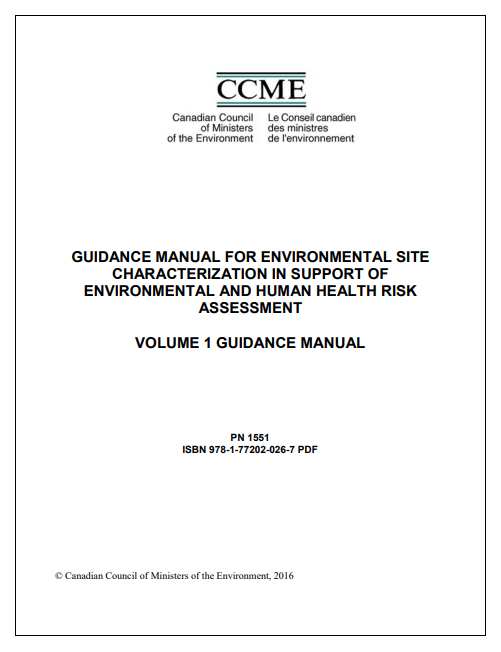
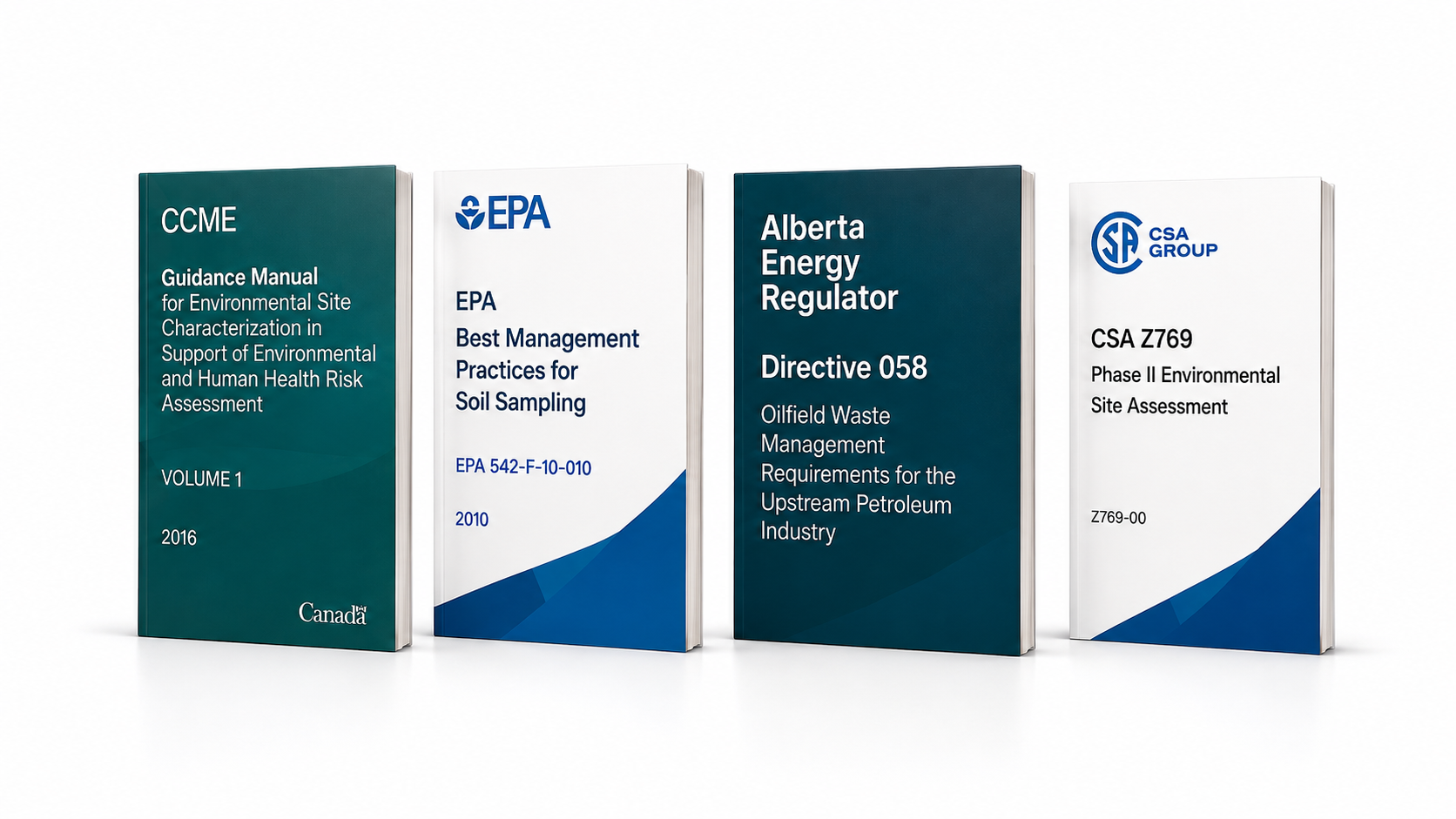
  • CCME Guidance Manual for Environmental Site Characterization in Support of Environmental and Human Health Risk Assessment, Volume 1 (2016): The primary Canadian guidance document for environmental site characterization. AISCT was developed in direct alignment with this guidance across multiple sections.
  • Section 5.5.1 — Headspace Vapour Tests: Recognizes headspace vapour testing as a field analytical method for VOC/hydrocarbon screening. Aurora operationalizes an significantly advances this approach through standardized, AI-driven analysis.
  • Section 2.2 — Phased Investigation Approach: Aurora, Sal, and Petro all support the phased site characterization model described in CCME guidance, from Phase II through delineation and remediation monitoring.
  • Section 3 — Quality Assurance/Quality Control: The AISCT QA/QC framework (calibration records, bump tests, blanks, duplicates, triplicates) was designed to meet the data quality objectives described in this section.
  • Section 2.8 — Validate and Interpret Data: The DSS analytics engine supports data validation and interpretation in real time, consistent with CCME guidance on data quality and uncertainty management.
  • CCME Canadian Soil Quality Guidelines (CSQG): Sal data is interpretable against CCME CSQG chloride and salinity benchmarks. Petro data aligns with CCME PHC fraction criteria (F2, F3).

U.S. Environmental Protection Agency (EPA)

  • EPA Documentation on Field Analytical Methods: U.S. EPA guidance recognizes structured, reproducible field analytical methods as appropriate tools for environmental site characterization when properly validated and documented.
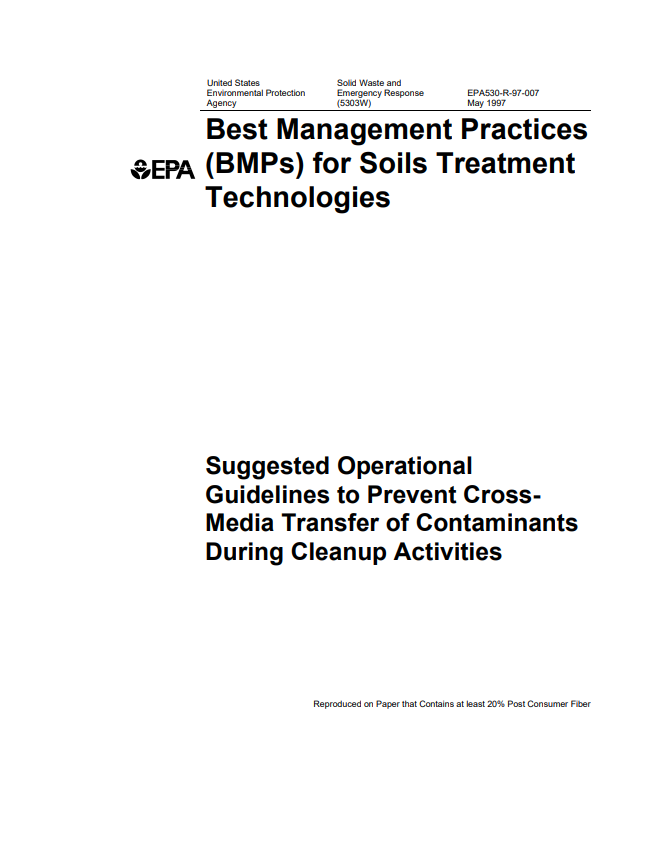
  • EPA Research on Soil Heterogeneity and Sampling Variability: EPA documentation confirming that heterogeneity introduces approximately 19x more variability than interlaboratory analytical method selection — the foundational evidence for high-density sampling as the primary uncertainty reduction strategy.
  • EPA Best Management Practices for Soil Sampling (EPA 542-F-10-010): Supports the density, precision, and QA/QC principles embedded in the AISCT system design.
  • EPA Guidance on Systematic Planning Using the Data Quality Objectives Process: The DSS population-based analysis and exceedance probability framework is consistent with EPA DQO principles for defensible environmental data collection.

Alberta Energy Regulator (AER)

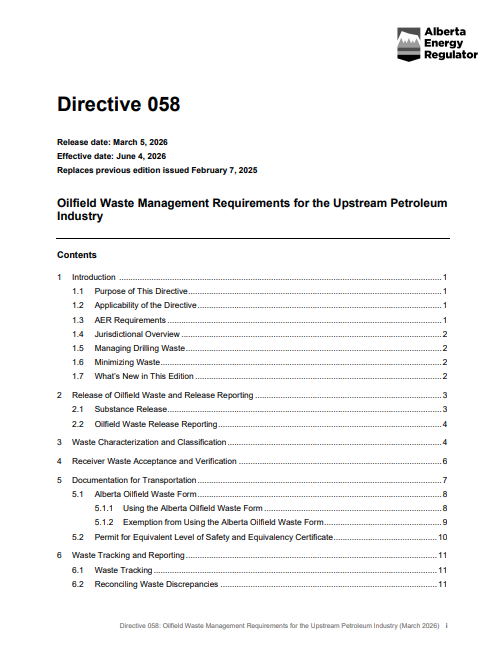
  • AER Directive 085 — Upstream Petroleum Industry Spill Reporting and Curation: Sal is designed to support AER-compliant spill investigation and reporting for salt releases from upstream petroleum operations.
  • Alberta Tier 1 Soil and Groundwater Remediation Guidelines: Petro and Sal generates sodium, chloride and hydrocarbon field data directly interpretable against Alberta Tier 1 criteria for salinity and hydrocarbon parameters.

CSA Group

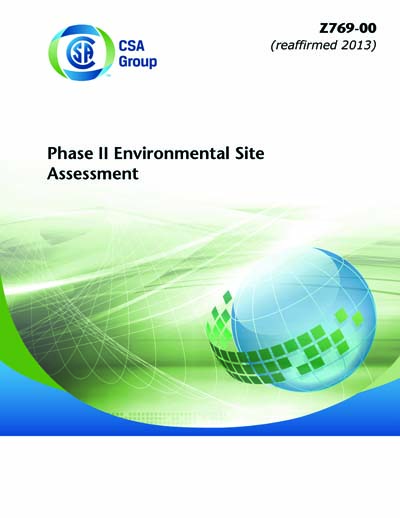
  • CSA Z769 — Phase II Environmental Site Assessment: The AISCT approach to phased, QA/QC-documented field characterization is consistent with CSA Z769 requirements for Phase II ESA programs.
  • CSA guidance on environmental data quality: AISCT's structured approach to duplicates, triplicates, calibration verification, and documented QA/QC aligns with CSA expectations for defensible environmental data.

How AISCT Operationalizes the Guidance

Regulatory guidance has consistently recommended practices that conventional field instrumentation could not reliably execute at field scale: high-density sampling, structured QA/QC, data-driven sample selection, and heterogeneity-aware statistical interpretation. AISCT was engineered to make these practices operationally practical — not aspirational.

Join the AISCT Insight List

New technical content, case studies, and regulatory updates delivered monthly

We respect your privacy, unsubscribe anytime.
YOU'RE SUBSCRIBED!
Oops! Something went wrong while submitting the form.

Why work with TRIUM?

Proven Technology

AISCT systems are field-proven, scientifically defensible, and regulatory-aligned.

Export Support

Our team brings deep environmental and analytical expertise to every project.

End-to-End Partnership

From project planning to data delivery, we're with you every step of the way.

Need Immediate Assistance?

Reach out and a member of our team will respond back to you as soon as possible.

1 (403) 932-5014

Office Hours

Monday - Friday

8:00 AM - 5:00 PM

Local Time

Sustainability Commitment

TRIUM Environmental is committed to responsible innovation and advancing environmental outcomes through technology